
Ventilation and heat in indoor badminton halls: what to check
By Janice · Updated 2026-07-10
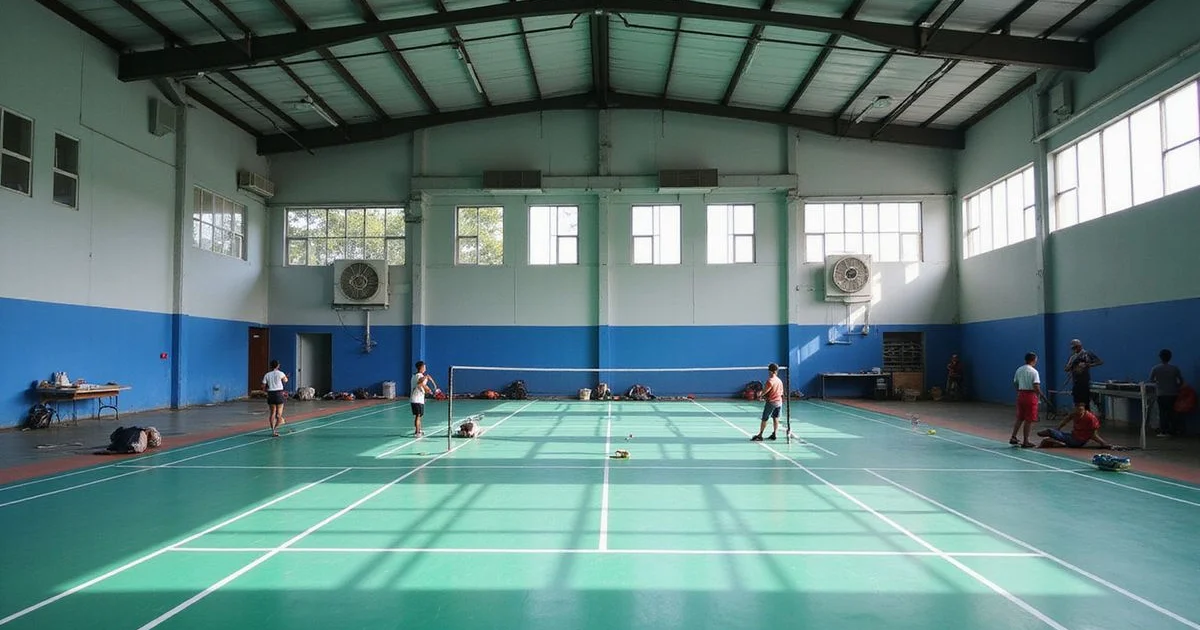
Ventilation rarely gets mentioned when people describe a badminton hall, but it’s one of the things that most affects how a session actually feels, and occasionally how safe it is. Kuala Lumpur’s heat and humidity make this more relevant here than in cooler climates. This guide covers what to check before you book a court for a longer or more intense session. The air-conditioned halls hub is a good place to start if comfort is a priority for you.
Why this matters more than it might seem
Badminton involves short, explosive bursts of movement, which raises body temperature quickly even in a comfortable room. In a poorly ventilated hall, heat and humidity build up fast, especially once several courts are in use at the same time. This isn’t just about comfort. Overheating during intense exercise can lead to cramping, dizziness and, in more serious cases, heat exhaustion. This is general information and not medical advice; if you experience concerning symptoms during or after play, seek medical attention.
What poor ventilation actually looks like
Poor ventilation and heat is one of the more consistent complaint themes across reviews of badminton venues in Kuala Lumpur, alongside related issues like dirty toilets and poor lighting at some of the more heavily used halls. Signs to watch for include stuffy or stagnant air that doesn’t seem to clear even with fans running, visible condensation on windows or walls, and players regularly heading outside to cool off between games.
| Sign | What it suggests |
|---|---|
| Fans running but air still feels stagnant | Airflow design issue, not just a fan problem |
| Visible condensation or dampness | High humidity buildup, poor moisture control |
| Players frequently stepping out to cool down | Heat is genuinely affecting play, not just perception |
| Slippery court surface | Can be linked to humidity affecting the playing surface |
Air-conditioning vs good natural ventilation
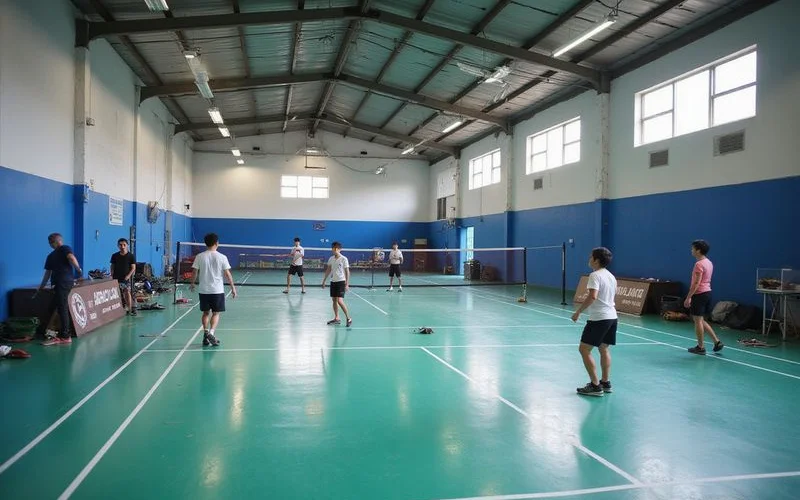
Air-conditioning isn’t the only solution. Some non-aircon halls are genuinely well designed, with high ceilings, effective cross-ventilation and strong fans, and stay reasonably comfortable even during a longer session. That said, for Kuala Lumpur’s hotter, more humid afternoons and for longer sessions of an hour or more, an air-conditioned hall generally offers a more consistent, controlled environment, particularly for a group session where a room full of players raises the ambient temperature quickly.
What to do before booking a longer session
If you’re planning a session of an hour or more, especially with a group, it’s worth asking the venue directly about ventilation or air-conditioning before you book, rather than discovering the conditions once you’re already there. Checking recent reviews for mentions of heat, stuffiness or airflow issues is a quick way to get a sense of what to expect beyond what a venue’s own listing says.
Staying comfortable and safe during play
Hydrate well before you start, not just during breaks, and pace yourself if you notice the room feels unusually warm. Take a proper break rather than pushing through if you feel lightheaded, overly fatigued or notice muscle cramping. These are common early signs your body is struggling with the heat, and they’re worth listening to regardless of how important the match feels in the moment.
Who should be most careful about ventilation
Heat and humidity affect everyone, but the margin for pushing through is smaller for some groups than others. Older adults, players returning after a long break from regular exercise, and anyone playing longer sessions or back-to-back games in a group booking are worth being a bit more cautious about hall conditions. If you’re coaching kids in a hot, stuffy hall, build in more frequent water breaks than you might for an adult group, since children are often slower to notice or mention that they’re overheating.
A quick checklist before a longer session
- Ask the venue directly whether the hall is air-conditioned or relies on fans and natural airflow.
- Check recent reviews for any mention of heat, stuffiness or poor airflow at that specific venue.
- Plan for more frequent breaks if the session runs past 60 to 90 minutes or involves a full group.
- Bring more water than you think you’ll need, particularly for an evening booking after a hot day.
None of this means avoiding non-air-conditioned halls altogether. Plenty are well run and comfortable. It just means treating ventilation as a real factor worth checking, the same way you’d check court cleanliness or lighting, rather than an afterthought. Heat isn’t the only condition worth checking before a session; our guide on playing badminton safely at night in KL covers what else to watch for after dark.
Browse air-conditioned and well-ventilated halls from our home page, and see our methodology for how comfort and facilities factor into how we score venues.
FAQ
- Why does ventilation matter so much in an indoor badminton hall?
- Badminton is a fast, high-intensity sport played indoors, so a poorly ventilated hall traps heat and humidity quickly, which raises the risk of overheating, cramping and dehydration during a session.
- Is air-conditioning always necessary for a comfortable court?
- Not always. Some non-aircon halls are well designed with good airflow, high ceilings and effective fans, and stay reasonably comfortable. Air-conditioning helps most in Kuala Lumpur's hotter, more humid afternoons.
- What are signs a hall has poor ventilation?
- Visible condensation, stuffy or stagnant air soon after play starts, and players regularly stepping outside to cool down are all signs worth noting. Reviewers sometimes mention heat and poor airflow directly.
- How can I stay safe playing in a hot or humid hall?
- Hydrate well before and during play, take breaks when you feel overheated, and don't push through dizziness or unusual fatigue. This is general information, not medical advice; seek medical attention for concerning symptoms.