
What to expect at your first badminton coaching class
By Janice · Updated 2026-06-27
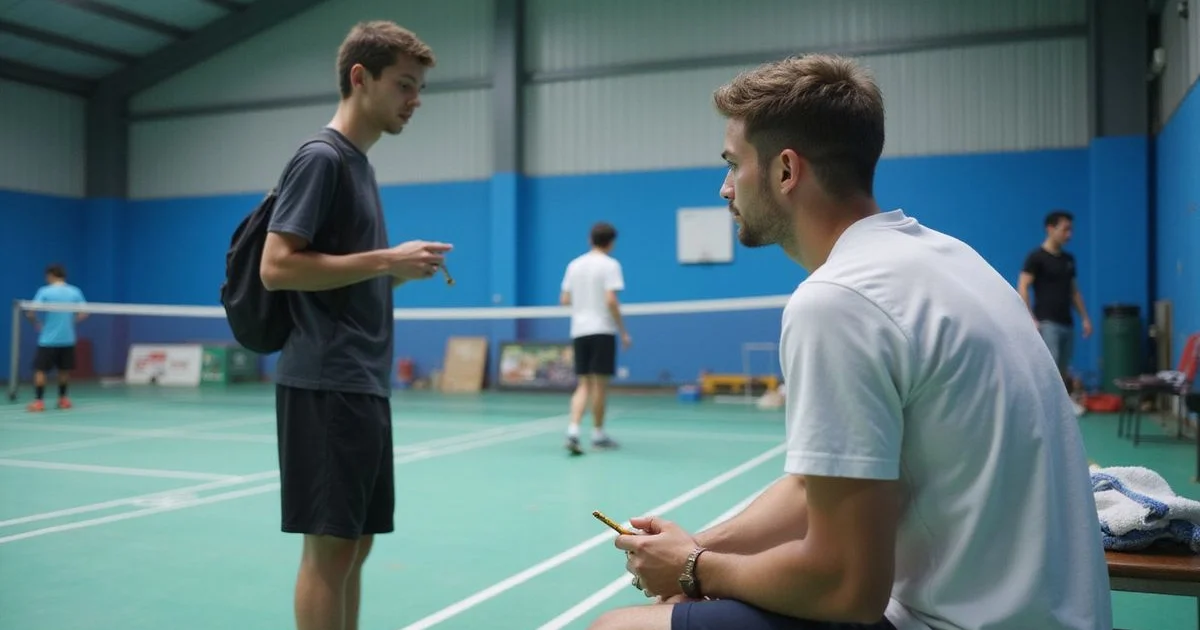
Walking into a coaching class for the first time is more approachable than most beginners expect. There’s no tryout, no assumed experience, and coaches at Kuala Lumpur academies are used to a room with a genuine mix of skill levels. Here’s a realistic walk-through of what actually happens, so you know what to expect before you go. If you’re still choosing where to sign up, the coaching and academy programs hub is a useful place to compare options first.
Before the class starts
Arrive around 10 to 15 minutes early. Most academies want time to confirm your registration, check whether you need rental gear, and get a quick sense of your experience level if it’s your first visit. Wear comfortable sportswear and non-marking court shoes; a few academies rent shoes if you don’t have the right pair, but it’s worth checking ahead rather than assuming.
What the session actually covers
A typical first class follows a fairly consistent shape:
- Warm-up, light jogging, stretching and footwork patterns to get the body ready.
- Grip and stance basics, the foundation almost every coach starts with regardless of age or fitness level.
- Simple stroke drills, usually forehand and backhand clears or drop shots against a feed from the coach.
- Light rally practice, if time allows, to get a feel for actual play rather than isolated drills.
- Cool-down, a short stretch to close out the session.
| Stage of the class | Typical length | What it’s for |
|---|---|---|
| Warm-up | 10-15 minutes | Preventing injury, raising heart rate |
| Technique drills | 25-40 minutes | Grip, footwork, stroke fundamentals |
| Light play or rally | 10-20 minutes | Applying technique under light pressure |
| Cool-down | 5-10 minutes | Recovery, wrapping up |
What a coach is actually assessing in week one
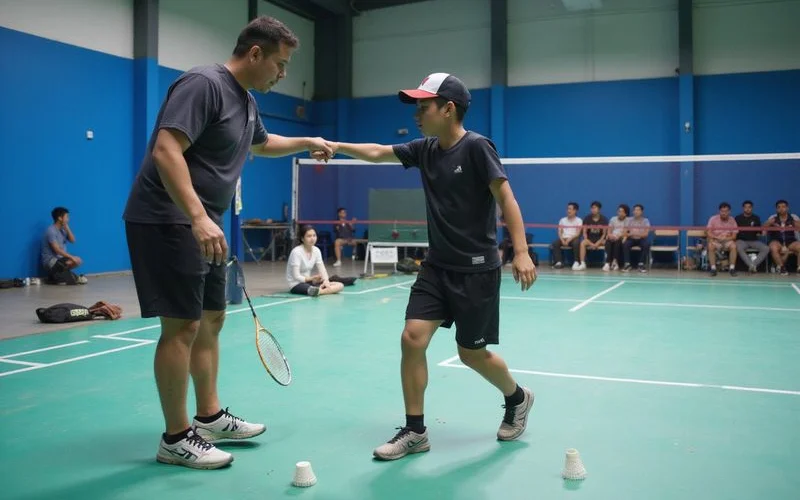
Even in a group setting, most coaches quietly note a few things in that first class: your grip habits, footwork instincts, and general fitness level. This isn’t a test you can fail, it’s how a coach figures out how to pace the group and where individual attention is needed most. Reviewers across Kuala Lumpur academies consistently mention coaches who help players improve quickly as a top reason they stick with a program, and that starts with this early read on where each player is.
What to bring, and what not to worry about
Bring water, a towel, and a racket if you have one, though most academies can lend one for a first session. Don’t worry about looking uncoordinated. Coaches see brand-new players every week, and the drills in a first class are designed to be approachable regardless of fitness background. The only real mistake first-timers make is skipping the warm-up because they feel silly stretching in front of others; that’s exactly the group most likely to strain something in an unfamiliar movement pattern.
After the first class
A single session is rarely enough to judge a program properly. Give it two or three classes before deciding whether the pace, coaching style and group dynamic suit you. If something feels off, mismatched skill levels or a pace that’s too slow or fast, most academies are open to moving you to a different group rather than losing you as a student entirely.
Signing kids up for their first class
Parents bringing a child to a first class often worry more than the child does. Most academies are used to a nervous first-timer clinging to a parent’s side for the opening few minutes, and coaches generally build in a light, game-based warm-up specifically to ease kids in before the more structured drills start. If your child seems hesitant, ask the coach whether you can stay and watch the first session from the sidelines rather than dropping them off cold. Most academies allow it, and it often settles nerves faster than leaving. If you’re still deciding between academies rather than just this first class, the guide to choosing a badminton academy for your child covers coaching style and group dynamics in more depth.
What a second or third class usually adds
Once the coach has a read on the group, later sessions tend to move faster than the first. Expect a bit more rally time, slightly more specific corrections to your grip or footwork, and less time spent on pure orientation. This is usually when it becomes clearer whether the coaching style and pace genuinely suit you, which is why judging a program off a single trial class alone can be misleading either way.
Compare more coaching options from our home page, and see the methodology behind how we rank academies on coaching quality as well as facilities.
FAQ
- What happens during a first badminton coaching class?
- Most first classes start with a warm-up and light footwork drills, then move into basic grip, stance and stroke fundamentals. A coach is usually assessing your current level as much as teaching in that first session.
- Do I need any experience before joining a beginner class?
- No. Beginner classes are built for players who have never picked up a racket. Coaches typically start from grip and footwork basics regardless of who's in the room.
- How long does a typical coaching session run?
- Most sessions run around 60 to 90 minutes, including warm-up and cool-down. Kids' classes sometimes run a little shorter to match attention spans.
- Will I be grouped with players who are much better than me?
- Academies generally try to group by level, though a first class sometimes mixes levels while the coach figures out where everyone fits. If the pace feels wrong, mention it. Most coaches will adjust the grouping.